
01ARTICLE
Published on
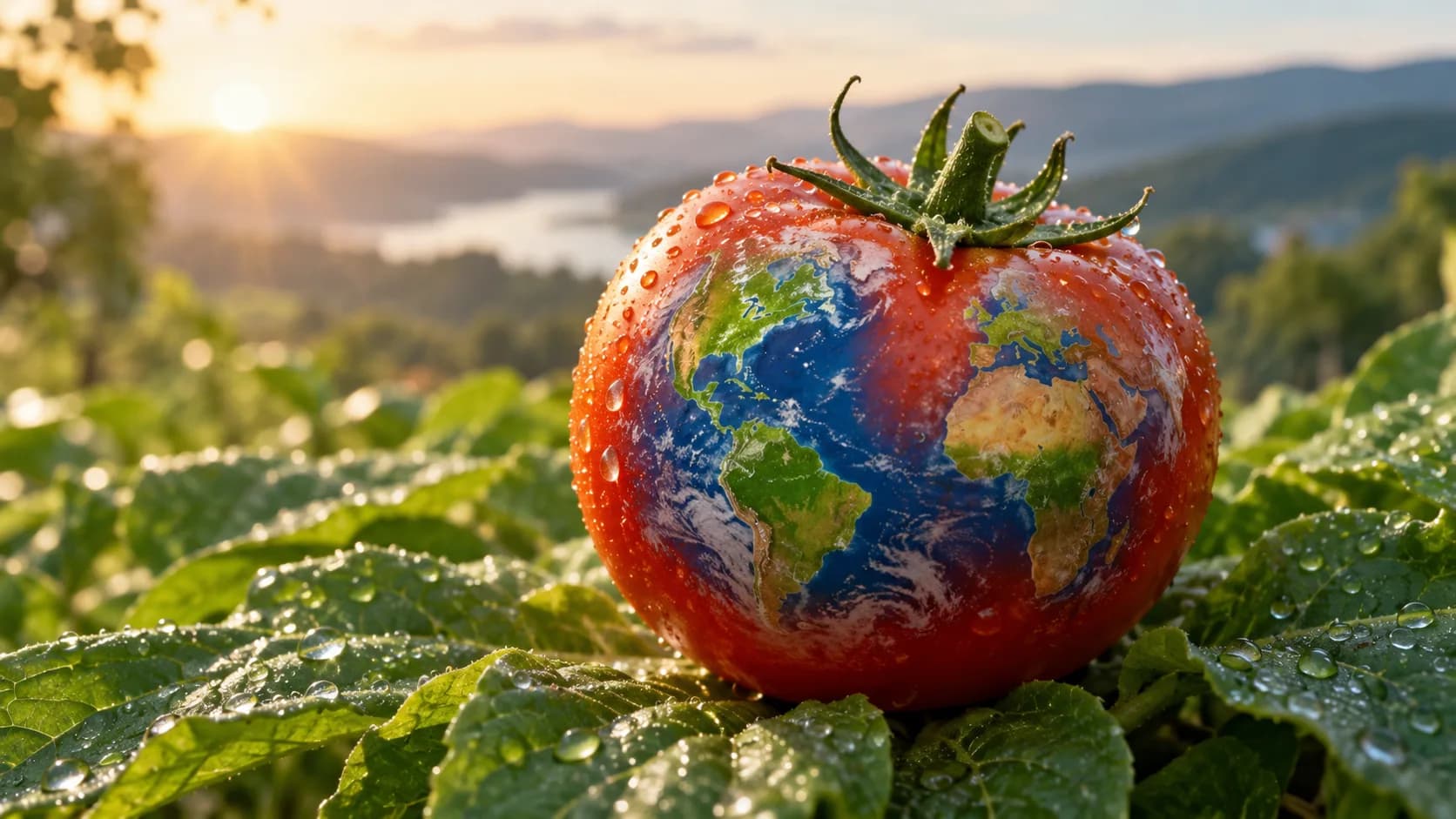
An awareness campaign video is a film a brand or organisation makes to inform people about a social issue such as climate, food waste or food safety, and to invite a small change in behaviour. AI and 3D animation stand out for this kind of video for two reasons: they make the invisible visible, and they make series content easier to produce. Still, tone decides the outcome more than tools do; audiences expect a responsible, measured and accurate voice. This piece covers the right tools, the right tone and our own work in this area.
For our AI film workflow and common questions, see our AI ad film production page.
Why is an awareness video different from a product ad?
Because the goal is understanding and trust, not a sale. Viewers tolerate exaggeration in a product ad; on a social issue, one wrong fact or an overly dramatic scene damages the brand's credibility. An awareness video succeeds on three things: an accurate message, a clear message and a genuine link between the brand and the issue. A supermarket talking about food waste, for example, is believable because the topic is part of its daily business. That's why creative and editorial decisions are made together on these films: what not to show gets as much discussion as what to show. Viewers have usually heard of the issue already; what's missing isn't information but a practical next step. A good awareness film therefore gives a short, concrete answer to the question “what can I do?”
Why do AI and 3D animation suit these topics?
Both are strong where a camera struggles: 3D makes the abstract concrete, and AI makes it easier to produce many short pieces in one consistent style.
3D animation: showing what can't be seen
Much of a topic like climate is invisible to the eye: slow processes, vast scales, long stretches of time. 3D animation brings these to the screen in a clean visual language and conveys the weight of the issue without frightening the viewer. Controlled light, colour and camera keep the message focused on a single idea. Another advantage of 3D is that it can handle sensitive topics through symbols: a designed world, rather than real footage of a disaster, makes people think without wearing them out.
AI: series and timely content
Awareness campaigns often run as a set of short pieces across a period rather than as a single film. AI suits producing episodes on different products or sub-topics quickly and in the same visual language. Being “made with AI” isn't interesting on its own, though; the idea and the craft are what set a piece apart. We looked at that shift in our piece on brand virality in 2026.
Matching the tool and tone to the topic
The right tool depends on the nature of the topic, and the right tone on the relationship you want with the audience. The table offers a starting point for three common topics.
| Topic | Why AI or 3D | Tone | Example from Clytech |
|---|---|---|---|
| Climate and environment | 3D shows invisible processes and vast scales in a clean visual language | Urgent but not exaggerated; clarity over fear | May 15 Climate Day 3D animation film |
| Food waste | AI suits a series of short episodes on different products, all in one style | Not accusatory; practical, warm and everyday | ŞOK Ramadan, No Waste series |
| Food safety | AI or 3D lets you treat the topic in a calm, clear way | Facts only from verified sources; no fear language | Rio Tomatoes, Pesticide Series |
One difference stands out in the table: broad topics like climate work best as a single strong film, while everyday topics like food waste work better as a series of short episodes. In a series, each episode focuses on one product or one habit, so a viewer who misses one can still follow the next on its own.
Five rules for tone and accuracy
What protects trust in an awareness video is a handful of simple rules agreed before production starts:
- One film, one message: Each film tells one idea; a second message belongs in a second film.
- Clarity over fear: Instead of blaming or scaring the viewer, show a clear situation and a practical step.
- Verified facts: Every fact in the script comes from sources the brand or relevant experts have verified. AI is a tool for making images, not a source of information.
- A stylised look: An AI-generated scene is never presented as a recording of a real event; a clearly designed style that doesn't pass for documentary footage protects trust.
- The brand's voice: The brand speaks only where it has a genuine link to the issue, and it must be able to back up what it says.
All of these rules answer one question: when the film ends, does the viewer trust the brand more, or less? They are also checkpoints at every stage of production; we explain how those stages run in our piece on the AI ad film process.
Examples from Clytech
Clytech is a CGI, FOOH and AI advertising studio based in Istanbul and London. Three of our awareness-led projects show how different topics can be handled with different tools:
May 15 Climate Day 3D animation film. A 16:9 3D animation made for Climate Day on May 15 to draw attention to the climate crisis. Cinematic visuals and clear storytelling carry the urgency of the issue without exaggeration, and the piece shows how CGI can carry a social message just as powerfully as a brand one.
PROJECT VIDEO
ŞOK Ramadan, No Waste: Tomato. The tomato episode of a vertical, AI-produced social series made in collaboration with ŞOK Market. Part of ŞOK's Ramadan content, the No Waste series takes on waste through episodes devoted to different products. Giving each episode to a single product is one way to break a topic into small, memorable pieces.
PROJECT VIDEO
Rio Tomatoes, Pesticide Series: Tomato. A vertical AI-produced film for Rio Tomatoes, developed in collaboration with ŞOK Market. As the tomato episode of the Pesticide Series, it's an example of how a brand can speak on a sensitive food-safety topic in a vertical social format.
Frequently asked questions
Should I choose AI or 3D for an awareness video?
It depends on the topic. If you need to show processes, scale or time, 3D leads; if you need a short series that runs across a period and splits into sub-topics, AI leads. The two can also work together in one project.
Who verifies the facts in the script?
Facts and claims come from sources approved by the brand and relevant experts. We build the visual storytelling; we don't add claims to a script that have no source.
Which format should an awareness video use?
It depends on the channel. Vertical (9:16) suits social series, and horizontal (16:9) suits events, web and TV. The Climate Day film was made in 16:9, while the ŞOK and Rio Tomatoes pieces were made vertical.
Should an awareness video look like a brand ad?
No. The brand can be visible, but the issue sits at the centre of the film. The further the product steps forward, the more the sincerity of the message is questioned; a brand signature at the close, or a light touch, is often enough.
Next step
If there's an issue your brand can speak about responsibly, let's turn it into a clear film or a short series together. Send us a short brief with the topic, your audience and your channels, and we'll reply within 24 hours. If you're thinking of 3D storytelling, see our 3D animation page, or take a look at our company presentation to see more of our work.