
01ARTICLE
Published on
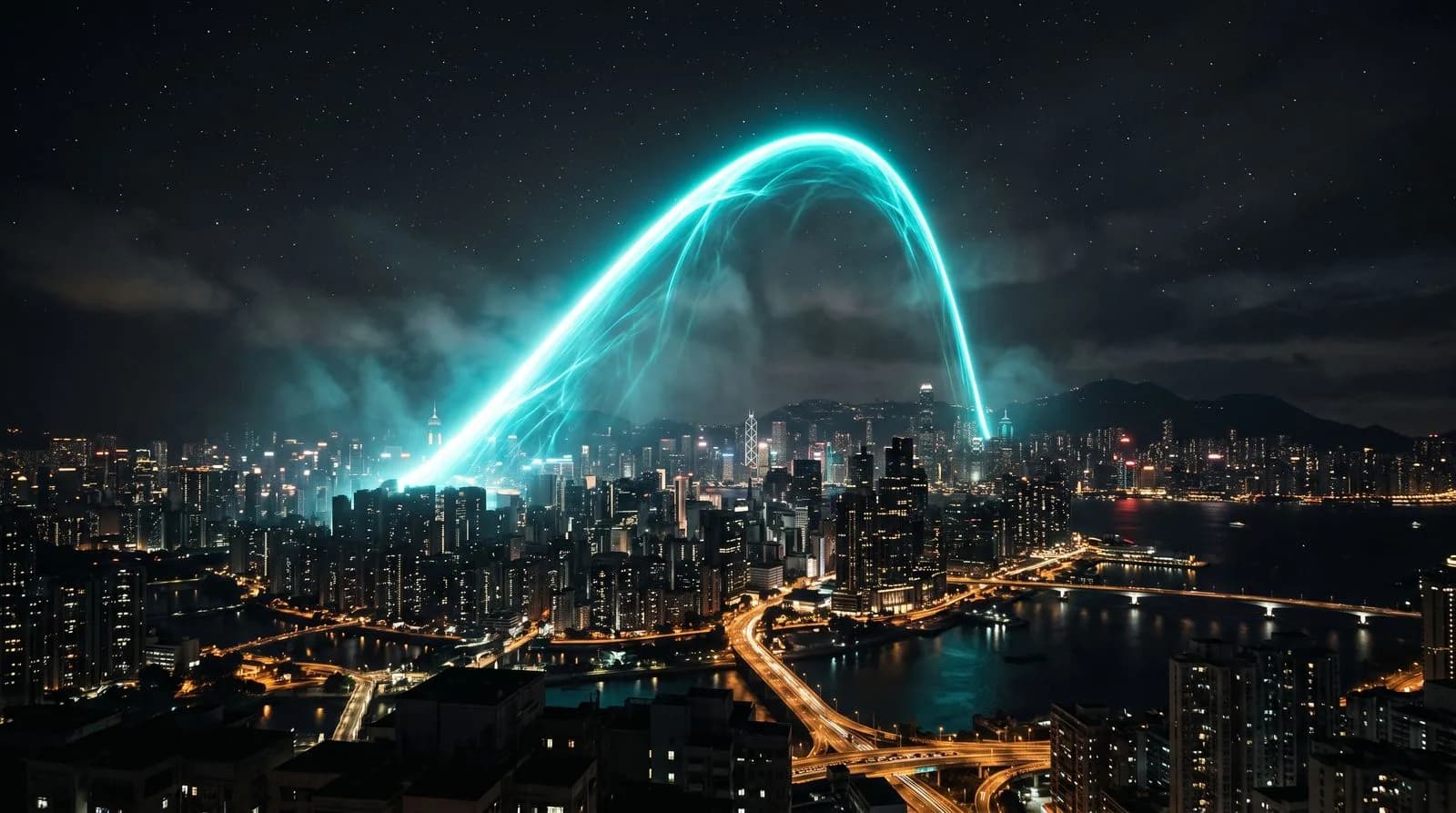
"It went viral" gets told like a lottery story. It isn't one. If the bus-stop CGI film we made for SUWEN passed 58 million views, there are five deliberate decisions behind it. Let's open them up.
1. The idea fits in one sentence
"There's a giant product on top of a bus stop." Done. That's the exact sentence people typed to their friends. If your idea needs more than one sentence, the motivation to share halves with every extra word.
2. The location is familiar
Not a fantasy island — a bus stop people walk past daily. Familiarity triggers the question "that's my city… could this be real?" And that question is FOOH's entire fuel supply.
3. The light doesn't lie
Viewers don't consciously analyse CGI; they catch it by instinct. Shadow direction, glass reflections, ground contact — if one slips, the illusion dies. Most of our production time went into these invisible details. In good FOOH, the effort lives where nobody looks.
4. First two seconds curiosity, last two seconds brand
In the scroll economy the first two seconds are everything: the scene reads instantly, the anomaly shows instantly. The brand signature lands at the end — so the "oh, it's an ad" reflex never gets the chance to kill the view.
5. The format speaks platform-native
Vertical, watchable on mute, understandable without captions. Not a TV frame cropped for social — built in social's own language. The same principle repeated at 45M+ for Tadelle and 30M+ for PUBG Mobile. Not coincidence: a repeatable system.
The takeaway: virality is a design discipline
None of the five calls is magic. All were made at the brief stage and protected through production. "Make it go viral" is a wish; "designed to be shared" is a method. We sell the second one. How these decisions carry beyond a single film, through the SUWEN bus stop sequel, is covered in our guide to episodic social media content.