
01ARTICLE
Published on
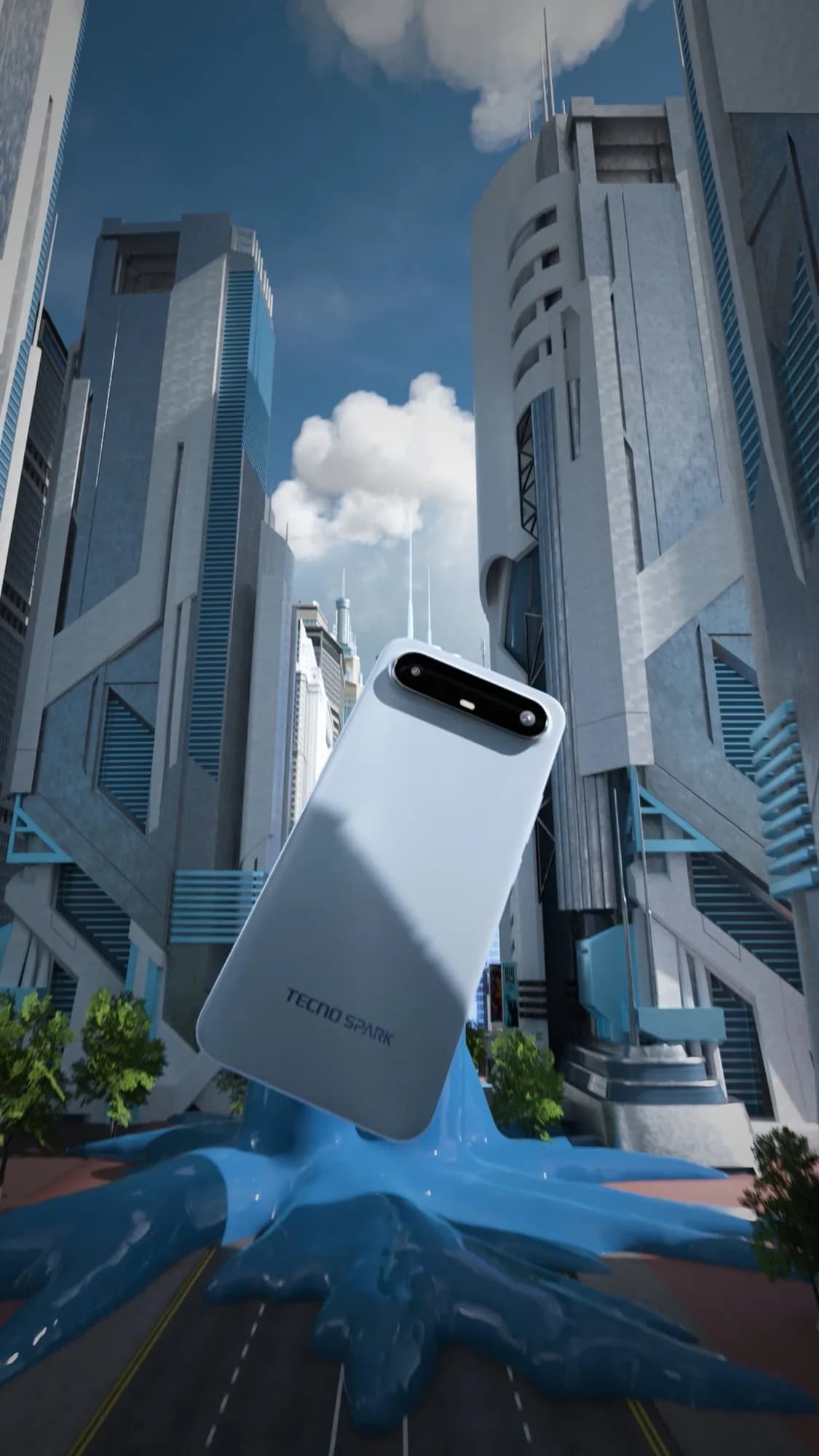
CGI is the most controlled way to launch a new phone, pair of headphones or smart device in a scene a camera alone could never build. It turns the product's strongest design claim (slimness, sound, display, camera) into one memorable image, and a single production can feed social, web and in-store screens. We cover the service and its formats on our CGI ad film production page; this article focuses on the decisions tech brands face in the run-up to a launch.
Below we compare formats by launch goal, look at how the idea changes by product type, and share examples from our work for HONOR, TECNO and JBL.
Why does CGI work for tech launches?
CGI makes look-alike tech products stand apart through a single idea. On a shelf, most phones, earbuds and smartwatches look much the same; what sets a launch apart is turning the feature the brand wants to lead with into a visual exaggeration. If the device claims slimness, it can float. If it claims sound, the scene can make a whole street shake.
There are three practical advantages as well:
- Product accuracy: The logo, colour, camera bump and screen ratio appear exactly as the brand signed them off, so the launch is less likely to put a wrong detail into circulation.
- Flexibility: New colourways or a late design tweak are a material update, not a reshoot.
- Scale: Showing the product bigger than a building or in front of a landmark is possible in a FOOH video made for social. There is no billboard rental in this format; the budget goes into producing the idea.
Which format fits which launch goal?
The right format depends on what the launch needs to achieve: getting people talking, explaining the product in detail, or both. The table compares the three formats we use most often for tech launches.
| Format | What it does | When to choose it | Typical channels |
|---|---|---|---|
| FOOH (giant product illusion) | Shows the product at giant scale in real city or landscape footage | When you want the launch talked about and shared on day one | Instagram, TikTok, YouTube Shorts |
| CGI ad film | Tells the brand and product story through cinematic, crafted scenes | When you need to build a brand world and a product character | Social, web, digital ads |
| 3D product animation | Stages the product in 3D from start to finish, detail by detail | When features need to be shown one by one | Product pages, e-commerce, in-store screens |
Most launches use these formats together: FOOH captures day-one attention, while a CGI film or 3D product animation carries the detail on the product page and in store. For FOOH ideas matched to product types, see our piece on five FOOH formats for product launches.
Phones, audio and smart devices: how does the idea change by product type?
The idea grows out of the feature that matters most when people decide to buy. Here are strong starting points by category.
Smartphones
Phone launches usually lead with design (slimness, weight, colour) or a new feature (camera, display, durability). Giant scale works well here because a phone's silhouette is instantly familiar; when one appears in front of a landmark or in the middle of a street, viewers know what it is from the first frame. A slim device drifting through the air, or a phone that turns into a street game, lets people feel the feature without reading a spec sheet.
Headphones and speakers
Sound is invisible, so audio launches are built on turning sound into something you can see. Bold colour, movement and scenes cut to a rhythm tell the product's character alongside the music. Here, the vertical edit and the pace of the opening seconds of a social ad matter more than product close-ups.
Smartwatches, tablets and home devices
These products are often told through a moment of use: the device on a wrist, on a desk or in a living room. CGI places the product in a real space while keeping the interface and materials exactly as the brand approved them. If the screen shows content, those screen images need to be locked well before launch; an interface that changes in the final week is the item that puts the most pressure on a schedule.
Before the launch: what should go into the brief?
A good tech launch brief starts with the product's one-line claim and the product data you are able to share. This checklist will get you ready for the first call:
- A one-line claim: the single feature you want people to remember. If there are several, set the priority yourself; one film can only carry so many ideas.
- Product data: a 3D model or design file if you have one, otherwise reference photos from every angle, the colourways and your logo guidelines.
- A reveal plan: the launch date, the image the product will first be seen in, and which teams will have access to the footage until then.
- Channels and formats: a vertical social edit, a horizontal web version, in-store screens and short cutdowns.
- An approval flow: at which stages the product team and the local or global brand team will sign off.
Production can start even before you have a physical unit in hand; with a 3D model or design file, a product film can be built in 3D from start to finish. We explain what that looks like in what 3D product animation is. The production itself follows a simple flow: idea and approval, a shoot if needed, production, edit and delivery.
Examples from Clytech
Clytech is a CGI, FOOH and AI advertising studio based in Istanbul and London. Four pieces we made for tech brands show how different launch goals become a single idea.
HONOR: a giant phone at Maiden's Tower
In front of Istanbul's iconic Maiden's Tower, a giant HONOR smartphone appears, partly veiled in a flowing red drape. The drape borrows the language of a classic product unveiling and takes it to city scale, turning the landmark into a launch stage. The HONOR giant phone reveal at Maiden's Tower was made in vertical format for social media.
PROJECT VIDEO
TECNO: a device lighter than air
To tell the story of TECNO's slim, sharp design at street scale, the idea was "lighter than air": the device appears weightless against the cityscape. TECNO Lighter Than Air, Sharper Than Ever distils the product's design claim into one strong image and was cut for viral reach.
PROJECT VIDEO
HONOR: a phone that becomes a basketball hoop
In another piece for the same brand, a giant HONOR smartphone turns into a basketball hoop in the heart of Istanbul. The HONOR basketball hoop takeover is a playful moment that links tech with street culture and was designed to travel across social feeds. Put the two HONOR pieces side by side and you see the same product told through a ceremonial reveal and through a playful street idea.
JBL: a film that turns sound into pictures
The JBL CGI film presents the brand through bold scenes and a cinematic visual language. Made in vertical format for social media, it is a good example of how an audio brand's character can be built through visual rhythm.
Frequently asked questions
Can a CGI launch film be made before the product is on sale?
Yes. If there is a 3D model, a design file or detailed reference photos, the film can be made without waiting for a physical unit. In every case, the final check is that the logo, colour and shape are true to the real product.
Should a tech launch use FOOH or a CGI film?
If the goal is getting people talking, FOOH fits; if it is explaining the product in detail, a CGI film or 3D product animation fits better. Using both in one campaign is the easiest way to carry day-one attention through to the product page.
Which formats come out of one production?
On most projects, a vertical social edit, a horizontal web version and versions for in-store or DOOH screens all come out of the same production. Agreeing which versions you need at the brief stage makes the schedule and budget clearer.
Do different colourways need separate shoots?
No. In CGI, a product colour or a small design change is a material update rather than a reshoot, so colourways can be derived from the same scene.
Can it be ready in time for the launch?
The complexity of the idea, whether a shoot is needed and the approval rounds set the timeline; we confirm the exact schedule after the brief. Send us a short brief and we will reply within 24 hours with an approach.
The value of CGI in a tech launch comes from turning one product claim into an image everyone remembers. We have worked with 85+ brands in more than 15 countries, so let's work out which format fits your launch. Send us your launch brief or start by looking through our company deck. If you are thinking about an idea at city scale, our FOOH ad production page is a good place to begin.