
01ARTICLE
Published on
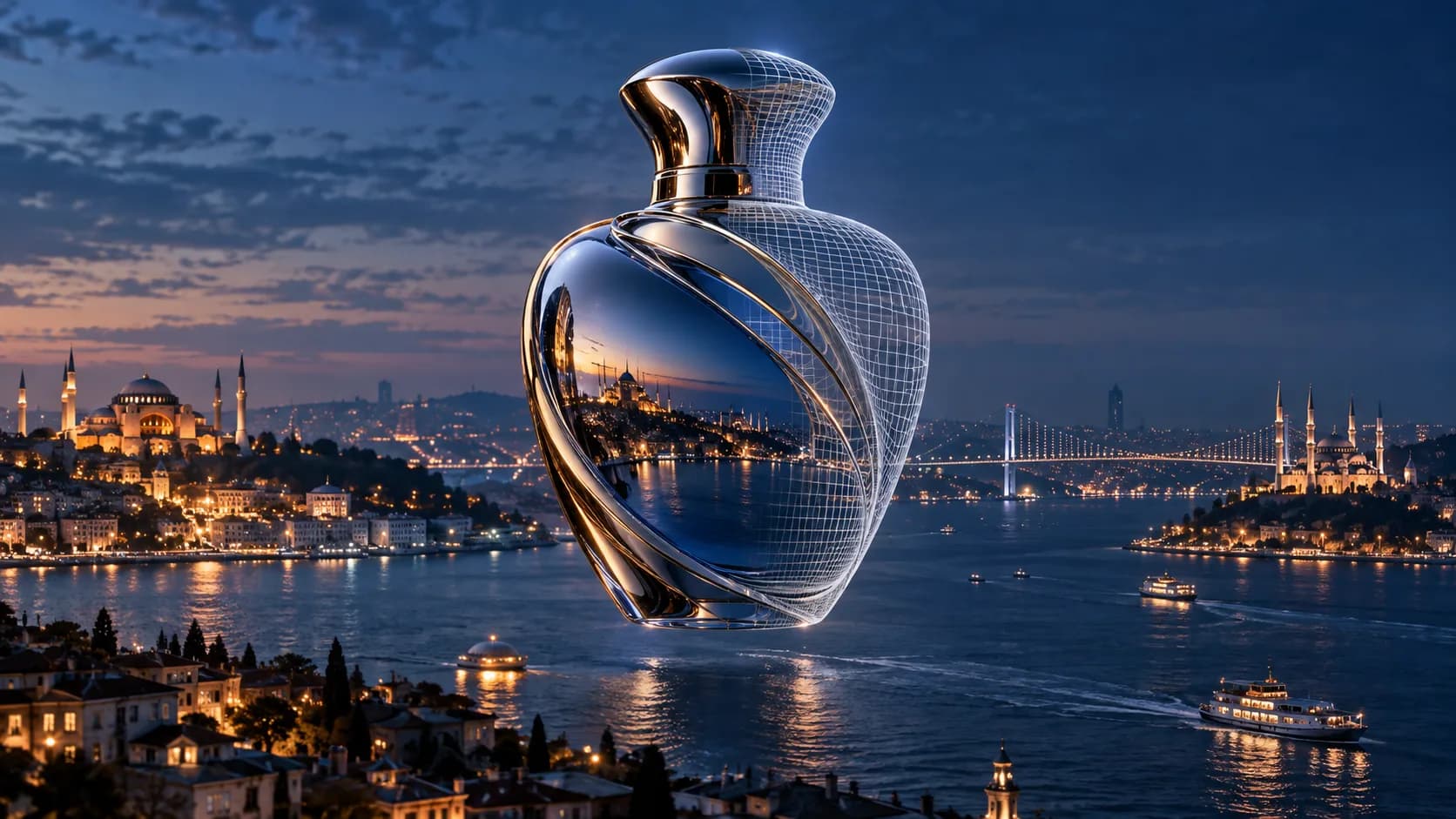
CGI advertising is advertising in which the product, the location or part of a scene is created with computer-generated imagery. CGI stands for Computer-Generated Imagery: pictures made with software rather than captured by a camera. Most CGI ads still start from a real shoot, and the giant product, the impossible movement or the flawless product close-up is added on top of it.
Below we explain what CGI means, how a CGI ad is made, the main types and when brands choose it, using real campaigns from Turkey. To see the service itself, our CGI commercial production page covers the process, formats and common questions in one place.
What does CGI mean?
CGI is the umbrella term for any image made with computer software: a 3D-modelled product, a digitally built location, an object added to a real scene or a character animated on a computer. In advertising, CGI is used for shots a camera cannot capture, or for shots where every detail has to be under control.
Three terms often get mixed up:
- CGI: The general name for computer-generated imagery.
- 3D: A three-dimensional model of an object and the animation made with it. It is the most common building block of CGI.
- VFX (visual effects): Any effect added to live-action footage after the shoot. CGI is one of the tools used in VFX work.
In short, every 3D animation is CGI, but not every CGI ad is 3D from start to finish. The most common use in advertising is a scene where a real shoot and a computer-generated object meet in the same frame.
How is a CGI ad made?
A CGI ad moves through a sequence of stages from idea to delivery. The order varies from project to project, but the core workflow looks like this:
In short: idea and approval, a shoot if needed, CGI production, edit and delivery. You sign off at every stage.
For a step-by-step look at how a product film moves through these stages, see how a CGI product film gets made.
What are the main types of CGI advertising?
CGI ads fall into four broad types, depending on the role CGI plays in the film:
| Type | What it does | Where it works best | Example from Clytech |
|---|---|---|---|
| CGI product film | Presents the product in cinematic, fully controlled scenes | Launches, social media, TV | Tadelle chocolate film |
| FOOH (fake out-of-home) | Adds a giant product or installation to real city footage | Social campaigns built to be shared | SUWEN bus stop, HONOR at Maiden's Tower |
| 3D product animation | Shows the product's structure, parts or use | E-commerce, tech and beauty products | Our 3D product animation service |
| CGI blended with live action | Merges digital scenes with real footage | Brand films that tell a story | Nutella Go film |
These types often overlap: a FOOH film is also a product film, and a product film can be blended with live action. If the idea of a giant product dropped into a real street appeals to you, our FOOH campaigns page explains how the format works.
When do brands choose CGI?
CGI comes into its own when an idea cannot be shot on camera, or when every detail of the product has to be exactly right:
- Impossible scenes: A bus stop that turns into a brand showcase, or a giant product appearing in front of a landmark.
- Product accuracy: When the label, logo, texture and shape on screen must match the real product. Our guide to beauty CGI advertising shows how cosmetics brands apply this to bottles, textures and shades.
- Attention in the first second: Images designed to stop the scroll and be shared.
- Reuse: When the same product model needs to appear in new scenes, seasons and formats.
There are also briefs where live action is the better choice; stories driven by human performance and emotion are the camera's territory. We compare the two in detail in CGI or live action, and most projects end up using both. To see where CGI fits across a campaign, from launches to seasonal moments, read our guide to CGI in marketing.
Examples from Clytech
SUWEN bus stop CGI film. For SUWEN, we turned an ordinary bus stop into a brand showcase. The digital installation sits naturally within real street footage and puts the collection on display at city scale. Produced in vertical format, the film passed 58 million views.
PROJECT VIDEO
Tadelle chocolate CGI commercial. Tadelle's iconic chocolate takes centre stage in a vertical film that combines real footage with CGI produced at the Clytech studio. It is part of the same campaign as the World Red Dress Day metro film, and the campaign reached over 45 million views in total.
PROJECT VIDEO
Nutella Go CGI film. Digitally built scenes merge with real footage to present Nutella Go in a bold, cinematic way. The vertical format makes the piece feel at home in social feeds.
HONOR giant phone reveal at Maiden's Tower. In front of Istanbul's iconic Maiden's Tower, a giant HONOR smartphone appears partly veiled in a flowing red drape. The FOOH piece turns the landmark into a launch stage.
We have gathered these and other campaigns from Turkey, each with the lesson it teaches, in our guide to CGI advertising in Turkey.
Clytech is a CGI, FOOH and AI advertising studio based in Istanbul and London. We have delivered 150+ projects for 85+ brands in 15+ countries, and our work has passed 500 million views in total.
Frequently asked questions
What does CGI stand for?
CGI stands for Computer-Generated Imagery, meaning images created with computer software. In advertising, it is used for shots a camera cannot capture or that need full control.
How is CGI made?
In short: idea and approval, a shoot if needed, CGI production, edit and delivery. You sign off at every stage.
Is CGI advertising the same as AI advertising?
No. In CGI, every object and movement is modelled and controlled by an artist, while generative AI creates images from written or visual prompts. The two can also be used together in the same project.
What decides the timeline and budget of a CGI ad?
Scene complexity more than running time: the number of products and objects, movement, simulation and delivery formats. We reply to briefs within 24 hours and confirm the exact schedule once we have seen the brief.
Next step
A good CGI ad creates the moment when viewers stop and ask "is this real?". To talk through an idea, send us your brief or start with our company presentation.